
Southwest Florida is often talked about as a destination, but that word doesn’t really fit. For those of us who live here, work on the water, and spend our days around boats, this region isn’t somewhere you visit. It’s a living coastal system shaped by tides, weather, wildlife, and generations of people who learned to read the water long before GPS screens and apps existed.
From barrier islands and estuaries to fishing traditions and dockside communities, Central Southwest Florida is connected by water in ways few places are. Boating here didn’t grow as a pastime. It developed as a way of life, built around access to the Gulf, seasonal patterns, and respect for an environment that gives back when it’s treated well.
To understand what makes this region special, you have to look beyond the beaches and into the systems that support them. These are the reasons Central Southwest Florida remains one of the most distinctive boating regions in the country — and why Ingman Marine has proudly served this coast for more than 45 years.
Barrier islands like Longboat Key, Gasparilla Island, and Pine Island are defining features of Southwest Florida. Formed over thousands of years by sediment movement, tides, and storms, these islands sit between the open Gulf and the mainland, shaping both the environment and how people use the water.
What makes islands like Longboat Key stand out is balance. Development exists, but it’s relatively low-density compared to many Florida beach towns. Long stretches of shoreline remain open, and the surrounding waters stay shallow, clear, and inviting for boaters, paddle sports, and nearshore fishing.
Just as important is what lies beneath the surface. Seagrass meadows around our barrier islands provide nursery habitat for juvenile fish, feeding grounds for manatees, and hunting areas for dolphins. These grass flats also stabilize sediment and help maintain water clarity, making them essential to the health of the entire coastal system.
Barrier islands like Gasparilla Island also serve as natural storm buffers. They absorb wave energy and reduce storm surge before it reaches inland communities. That protective role is often overlooked, but it’s a major reason Southwest Florida’s coastal towns exist where they do today.
Southwest Florida’s winter weather isn’t just pleasant. It’s foundational to how the region functions.
From late fall through early spring, daytime temperatures commonly sit between the 70s and low 80s, humidity drops, and Gulf conditions tend to stabilize. For boaters, this means reliable access to the water during months when much of the country is shut down by cold or freezing weather.
This climate shaped several defining parts of local culture:
In many regions, winter is downtime. Here, winter is peak boating season. It’s when boats are used most consistently, when fishing patterns are predictable, and when time on the water becomes a daily rhythm rather than an occasional escape.
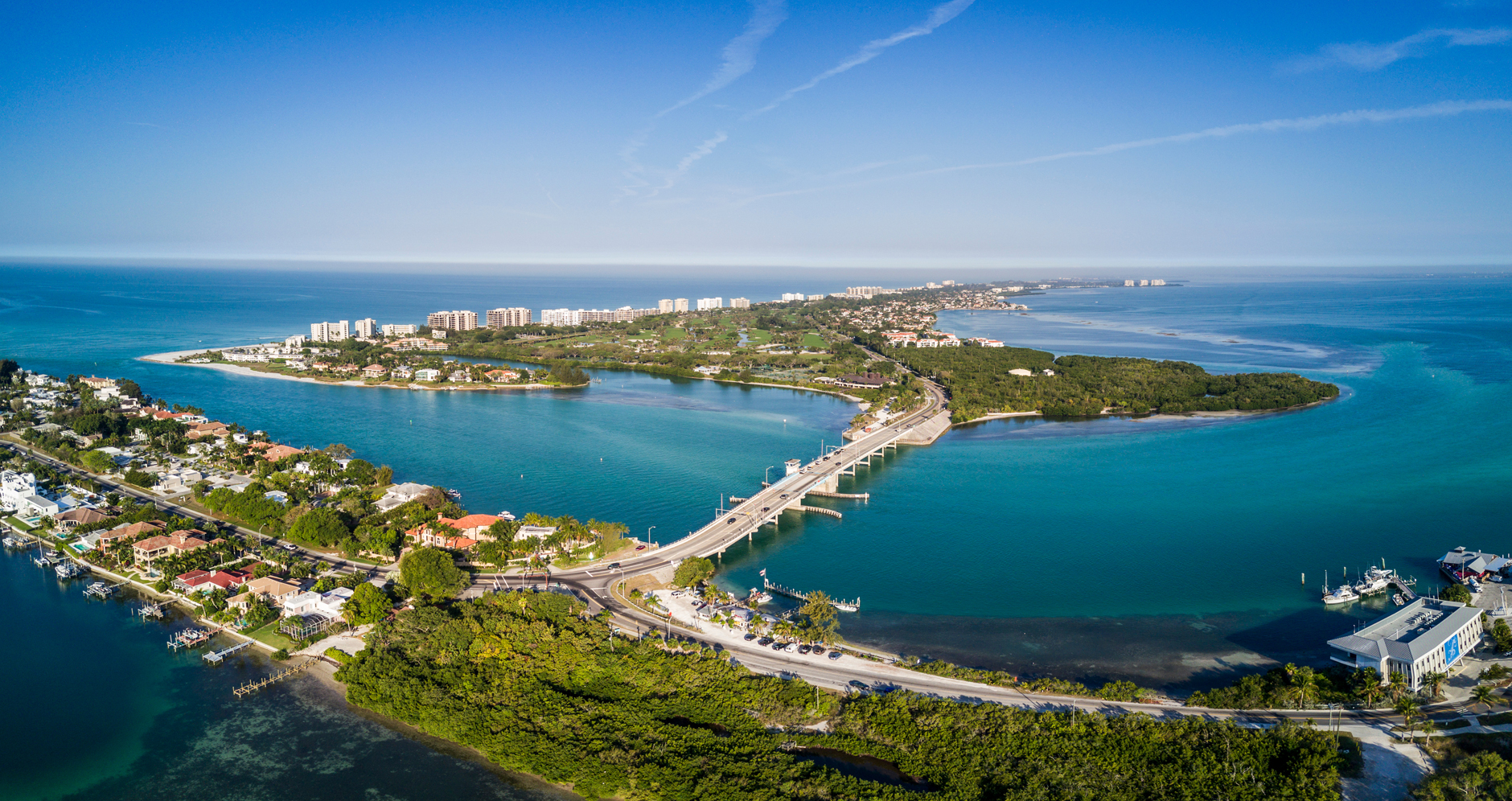
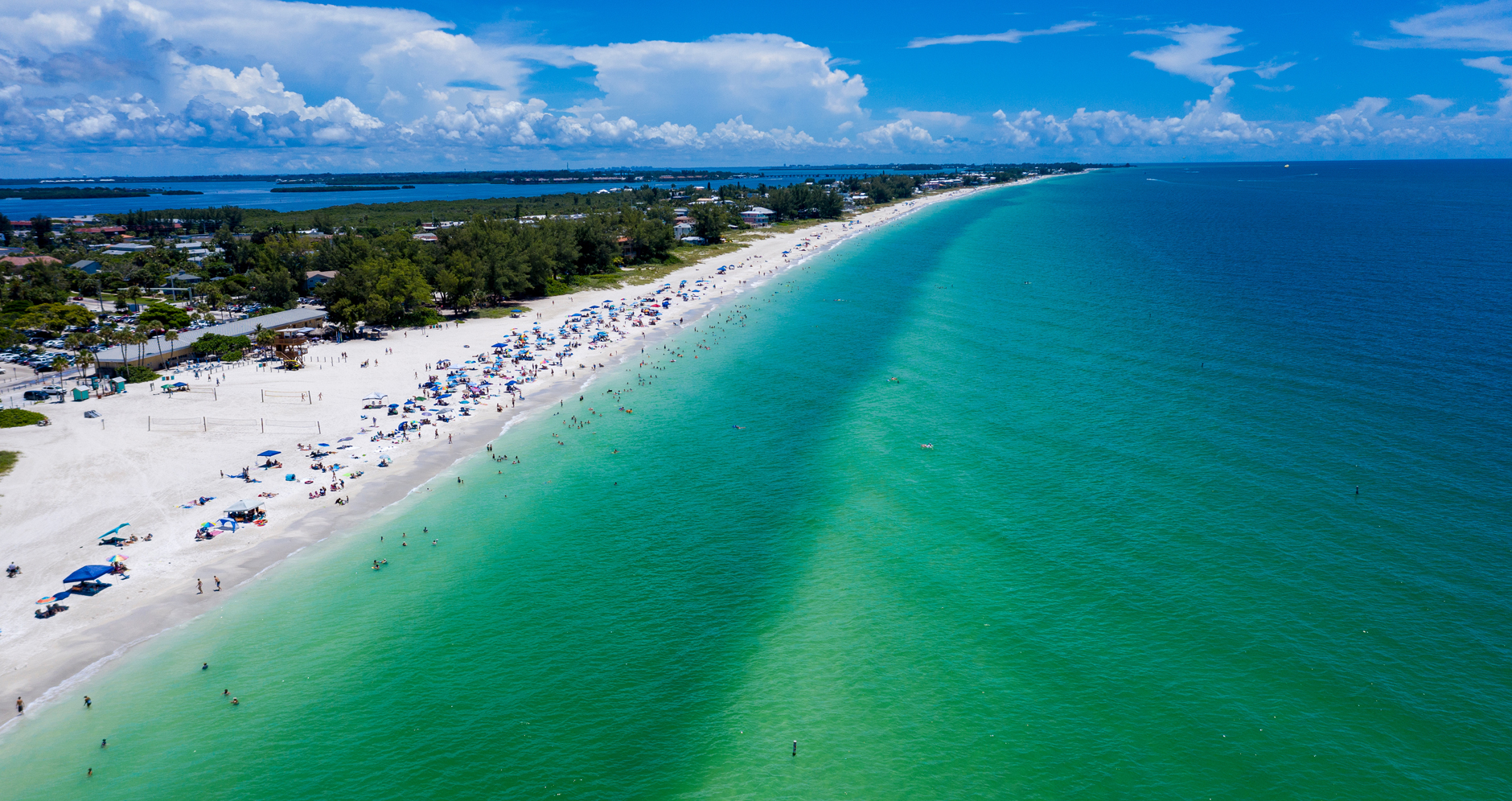
Southwest Florida’s beaches are often ranked among the best in the world, and that reputation isn’t accidental. It’s geological.
Siesta Beach is famous for its quartz sand, which originated in the Appalachian Mountains and traveled south over millions of years. That quartz reflects heat, stays cool underfoot, and creates the soft, powder-like texture visitors instantly notice.
Other beaches add their own character:
Within a relatively small stretch of coastline, boaters and beachgoers can experience dramatically different environments — all shaped by the same natural processes.
In Southwest Florida, boat choices tend to reflect practicality more than trends. Grady-White is a clear example.
Known for the SeaV²® hull design, Grady-White boats are built to handle the offshore chop common in the Gulf of Mexico. The focus is on safety, ride quality, and long-term durability rather than flashy features that don’t hold up in real conditions.
That design philosophy mirrors how local boaters think:
When a boat brand aligns naturally with the water it’s used in, it earns loyalty. That’s why Grady-White remains deeply rooted in Southwest Florida’s offshore culture.
Modern boat design has evolved, but the challenges of Southwest Florida boating haven’t changed. Afternoon Gulf chop, shallow grass flats, long offshore runs, and families who want comfort without sacrificing capability are still part of everyday life here.
That’s why boats built with purpose continue to stand out. It’s not about having the most features — it’s about predictable handling, smart layouts, and durability that holds up year after year.
Southwest Florida doesn’t demand boats that impress at the dock. It demands boats that perform in changing weather, protect passengers, and maintain value over time. The best designs simply respect the water they’re built for.
Central Southwest Florida sits at the intersection of several critical ecosystems:
This convergence creates one of the most biologically productive coastal environments in North America.
Manatees graze across grass flats. Dolphins hunt cooperatively in shallow bays. Sea turtles nest on protected beaches. Birdlife includes roseate spoonbills, ospreys, pelicans, and snowy plovers.
For boaters, this means recreation happens within a living system. Understanding how your wake, speed, and anchoring choices affect habitat is part of boating responsibly in this region.
Dock-and-dine culture exists here for a reason. Many Southwest Florida towns developed from the water inward, not from highways outward.
Historically, access by boat determined where people settled, fished, and traded. Fish camps, marinas, and waterfront restaurants grew around tidal access long before roads connected them.
That history still shows today. Arriving by boat isn’t a novelty — it’s a continuation of how the region has always worked. Water is infrastructure here, shaping daily routines around tides and sunsets rather than traffic patterns.
Some of the region’s best examples of true float-up dining include:
Throughout Central Southwest Florida, many boaters plan their entire day around these stops, using the boat as transportation first and recreation second — a rhythm that’s uniquely tied to life on the water here.
Dockside dining isn’t just convenient. It reflects how boating, travel, and daily life have always been connected along Florida’s Gulf Coast.
Southwest Florida’s marine industry is built on generational knowledge. Businesses like Ingman Marine reflect a culture where experience matters. That experience comes from decades spent launching boats, running passes in changing weather, and learning what truly works on these waters.
Much of that knowledge was passed dock-to-dock. Engines, weather, navigation, and fishing patterns were learned hands-on. Trust was built through consistency, not marketing. Reputation here has always been earned by showing up, solving problems, and standing behind your work season after season.
That mindset still defines the strongest marine businesses today. Customers value honest advice, practical solutions, and long-term relationships rooted in shared time on the water. It’s why so many boaters return to the same marina, service team, and dealer year after year.
Latitude and light shape life here more than people realize. The angle of the sun, the length of the day, and the clarity of the evening sky all influence when people head out and how long they stay. Over time, this relationship with light becomes second nature for those who spend enough time on the water.
Longer evenings encourage late-day boating and fishing. Sunsets become routine rather than special events. Daily schedules often revolve around tides, wind direction, and water conditions instead of clocks.
In Southwest Florida, time is measured by environmental cues. That rhythm naturally slows life down and keeps people connected to the water. It encourages people to stay out just a little longer, to wait for the tide to turn, or to enjoy the quiet moments that happen between destinations.
Fishing here has evolved.
What began as subsistence and commercial fishing shifted into recreational and sport fishing. Today, conservation plays a central role.
Modern anglers respect:
Fishing remains deeply tied to identity in Central Southwest Florida, but it’s paired with an understanding that the resource must be protected to last.
Coastal communities here are shaped by shared challenges. Hurricanes, environmental threats, and dependence on the water create strong local bonds. When storms approach, neighbors help secure boats and docks. Afterward, recovery is collective. That shared experience builds a sense of belonging rooted in mutual reliance.
Beyond those moments, community in Southwest Florida is also built during quieter days. It’s found in early-morning conversations at the ramp, familiar faces at the marina, and boaters waving as they pass through a narrow channel. Life here moves at a different pace — one guided by tides, weather, and daylight — and that slower rhythm naturally brings people together. Over time, these everyday interactions create a sense of connection that feels genuine, unforced, and deeply tied to life on the water.
Southwest Florida works because its systems align. Geography supports lifestyle. Climate supports culture. Water connects everything.
What makes this region exceptional isn’t one feature — it’s how natural systems and human adaptation have grown together over time. Boating here isn’t an accessory to life. It’s part of how the region functions.
For those who understand it, Central Southwest Florida isn’t just a place to boat. It’s a place shaped by water, sustained by experience, and defined by the community.
