
If you spend enough time on the water in Southwest Florida, you begin to recognize how predictable the region’s rhythms truly are. Tides rise and fall, shifting water across grass flats, reefs, shorelines, and deep channels. Warm periods spread bait, cooler periods tighten their movements, and predators move along well-worn paths that have existed for generations. These patterns play out from Tampa Bay to Sarasota Bay, across Charlotte Harbor, throughout Pine Island Sound, and all the way down to Naples and the Ten Thousand Islands.
Across all of this coastline, one habitat remains consistently reliable: rocky bottom.
Rock piles, limestone ledges, rubble patches, mixed grass-and-rock transitions, and small hard-bottom rises create natural corridors where bait hides, grazers feed, and predators hunt. Rocky areas bring order to an otherwise dynamic system, creating structure that anchors the entire food chain.
Fishing these zones is not simply about dropping a lure and hoping for the best. Success requires understanding how rocks shape bait behavior, how tide direction affects feeding lanes, how predators position throughout the year, and how different lures interact with depth and current. Once these factors come together, rocky-bottom fishing becomes one of the most dependable strategies anywhere in Southwest Florida.
Rocky-bottom habitat serves as a dependable anchor for bait and gamefish throughout the year. Even small pieces of structure hold surprising amounts of life.
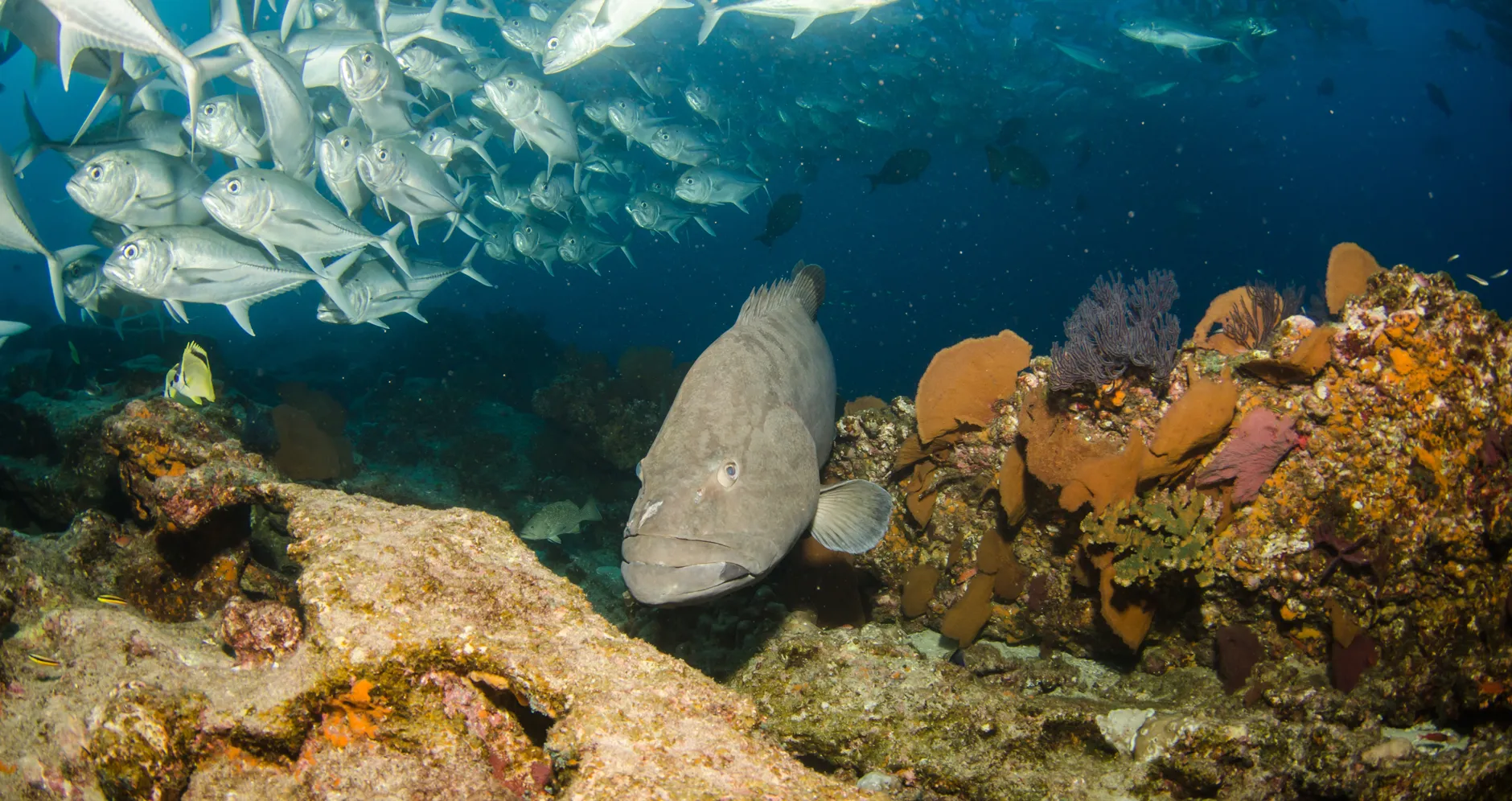
Hard substrates create natural micro-habitats: cracks, holes, ledges, and vertical reliefs where invertebrates and small fish take refuge. Shrimp, juvenile crabs, silversides, glass minnows, scaled sardines, threadfins, small pinfish, and young grunts commonly occupy rocky edges. These organisms weave in and out of structure throughout the day, feeding and avoiding predators.
Predators know this. Snook, trout, redfish, snapper, sheepshead, flounder, bluefish, mackerel, cobia, and grouper all patrol these same edges looking for opportunities. Rocky areas produce because they compress the food chain into one location.
Rock surfaces accumulate algae, barnacles, tunicates, small worms, and countless microorganisms. These attract grazers, which in turn attract predators. Since these food sources naturally replenish over time, bait species remain present even when conditions shift around them. Rocky areas rarely “go dead”; their biological activity remains steady.
Rocks influence water movement. They create eddies, seams, pockets, and funnels, all of which reposition bait in predictable ways. Predators simply look for these seams and use them as feeding stations.
The combination of structure, forage, and current creates year-round opportunity in rocky-bottom zones.
Rocky habitat always holds life, but fish adjust their depth, mood, and feeding style with the seasons. Understanding these adjustments helps you decide where to fish and how to present your lures.
Colder water slows metabolism and pushes both bait and predators deeper. Tarpon aside, most gamefish stay tight to the bottom where temperatures stabilize.
This is the time to imitate shrimp, crabs, and slow-moving prey.
As temperatures rise, forage becomes more active. Threadfins, silversides, sardines, and glass minnows spread across the bays and down the coast. Rocky edges from Pinellas Point to Longboat Key and across the Skyway region see heavy bait traffic.
With increased forage, you’ll see more mid-column feeding.
Warm water accelerates the entire food chain. Bait rises higher in the column and predators respond. Rocky areas near passes such as Egmont, Big Carlos, Redfish Pass, and Captiva Pass frequently hold elevated schools of bait.
Summer favors anglers who follow moving water and cooler windows.
Cooling temperatures begin consolidating bait again. Rocky areas across Tampa Bay, Charlotte Harbor, and Pine Island Sound become predictable feeding lanes.
Fall delivers reliable, diversified rocky-bottom action.

Tide direction and strength dictate how bait moves around structure, which directly influences predator behavior.
Incoming water often pushes bait across rocky edges. Fish position upstream to intercept moving forage.
Outgoing water pulls bait from the rocks into deeper edges. Predators sit along drop-offs and seams to ambush.
Wind-enhanced tide can intensify feeding, especially along points and openings. Southwest or west winds often create stronger incoming-like behavior in lower Tampa Bay.
These methods remain productive regardless of tide, month, or region — and they’re staples for anglers across Southwest Florida. Whether you’re drifting across limestone patches in Sarasota Bay, casting around mangrove edges in Placida, or working the deeper channels of Charlotte Harbor, these proven techniques consistently produce strikes year-round.
Jigs are the cornerstone of rocky-bottom fishing because of their versatility. They can mimic a crab or shrimp crawling across the bottom one minute, then imitate a wounded baitfish fluttering through the mid-water column the next. Because they’re so easy to adjust by weight, size, or retrieve speed, they’re the go-to lure for anglers who want to match the conditions rather than fight them.
When worked slowly along the bottom, jigs tempt bottom-feeders like snapper, flounder, and sheepshead. When retrieved higher through the water column, they draw attention from cruising predators like snook and redfish. A well-placed jig not only covers ground efficiently but lets you feel every bump, strike, and contour of the structure below — making it a great learning tool for reading rocky terrain.
For bottom-hugging fish:
For mid-column bait imitators:
This approach consistently catches snook, redfish, trout, flounder, snapper, sheepshead, and juvenile grouper — species that rely on ambush tactics around structure.
Trolling helps you locate fast-moving predators and active feeding zones over large rocky areas — perfect when fish aren’t stacked in one spot. It’s a method that covers more water in less time, giving you a big-picture look at where bait and predators are staging. On calm mornings, a light trolling spread can be all it takes to turn a scouting trip into a rod-bending session.
Because most rocky areas sit in 6–20 feet, predators like mackerel and cobia often stay higher in the water column to chase bait. Flat-line trolling lets you work those zones efficiently without needing downriggers or heavy lead. You’re presenting natural-looking prey where the fish already feed — and that’s what makes this method so effective.
Trolling is one of the fastest ways to identify active pods of fish — once you find them, you can drop anchor or drift to work the area more thoroughly with casting or jigging techniques.
When bait suspends mid-column, twitch baits become your best friend. Their erratic dart-and-pause motion mimics a wounded baitfish — an easy meal that predators can’t resist. Fall through spring, this presentation excels when water clarity is good and fish are cruising above structure or along channel edges.
The key is rhythm. Sharp downward twitches followed by a short pause create a dying baitfish illusion that triggers instinctive strikes. Most hits come on the pause, so patience is just as important as precision. Once you dial in the cadence, this technique can produce nonstop action on light tackle.
This method shines for snook, trout, and redfish cruising above rocks or along the edges of deeper channels.
When bait drops low and water temps cool, it’s time to switch to heavier presentations. Weighted lures reach bottom quickly, stay in the strike zone longer, and keep you in touch with the structure where larger predators often wait to ambush prey. It’s a slower, more deliberate way to fish — but often the most rewarding for landing quality catches.
In rocky areas, the key is balance: heavy enough to stay in contact but not so heavy that you’re constantly snagging. Cast slightly up-current and let your lure settle naturally before beginning short, controlled lifts. Each hop should mimic a crab or small fish darting from one rock to another. Expect bites to feel like soft taps or sudden weight — set the hook quickly to avoid snags and missed strikes.
Heavier jigs and weighted lures help maintain presence and control in deeper or high-current zones, often drawing strikes from larger redfish, snapper, and grouper that stick close to the bottom waiting for an easy meal.
Fish behavior changes throughout the year, and your approach should shift with it. Water temperature, bait availability, daylight hours, and tidal strength all play a role in how fish move and feed. When you understand how these seasonal patterns affect the water column, you can choose lures and presentations that consistently match what fish expect to see.
Whether you’re fishing rocky bottom in early spring, chasing fall redfish across the flats, or picking apart winter channels for sheepshead, small adjustments to lure depth, retrieve speed, and size can make the difference between an average day and a full cooler. This section breaks down how to adapt your technique so you’re always fishing in the most productive zone for the season.
Depth is one of the most important and overlooked factors in seasonal success. As water cools or warms, fish shift up and down the water column to stay comfortable and find the most available food. Matching your lure depth to these movements keeps you in the strike zone longer and improves your odds dramatically.
Sometimes the changes are subtle — just a few feet — but that’s often enough to determine whether your lure gets ignored or eaten. Adjust your depth regularly until you feel taps, bumps, or see flashes of following fish, then lock into that zone.
The pace of your retrieve should always reflect the energy level of the fish, which shifts season to season. In colder months, fish conserve energy and prefer slower, easier meals. As water warms, they become more aggressive and respond better to speed, erratic motion, and chase-style presentations.
Pay attention to how fish react — if they follow but don’t commit, slow down. If they strike short, speed up. Small adjustments can immediately change your results on the water.
Size matters more than most anglers realize. Seasonal bait changes — from tiny glass minnows to large mullet and pilchards — affect how predators feed. Matching the size of your lure to the main forage in that season helps fish recognize it as a natural meal instead of something suspicious.
If you notice fish swiping but not connecting, or following without striking, downsizing is often the fix. On the other hand, when big bait schools flood in during spring and fall, larger lures help you stand out and draw reaction bites from dominant predators.
Southwest Florida has countless hidden stretches of rock, shell, and limestone scattered across its bays, passes, and nearshore waters. Many anglers overlook these areas because they aren’t always marked on maps, but they’re some of the most reliable spots for finding steady action year-round. Rocky bottom creates natural structure where baitfish hide and predators patrol, making these locations prime zones for snook, redfish, trout, grouper, and mackerel depending on the season.
Each region has its own unique rocky features — some are well-known hotspots, while others require a sharp eye on your sonar or chart contours to find. Below, you’ll find a breakdown of the most productive rocky-bottom zones from Tampa Bay to Naples, along with the types of fish you can expect to encounter.
Tampa Bay is one of the richest rocky-bottom fisheries on the Gulf Coast. The mix of bridges, deep channels, jetties, and natural ledges creates an ideal environment for predators to pin bait. Whether you're drifting outside the Skyway or working the shoreline contours around Pinellas Point, this region offers endless structure that holds fish year-round.
Strong tidal flow through its passes keeps bait moving, drawing species like snook, mackerel, and grouper into predictable feeding lanes. It’s one of the easiest places for anglers to locate rocky terrain using sonar because the transitions are sharp and consistent.
Manatee and Sarasota Bays feature a blend of shallow rock, oyster edges, and deeper limestone pockets. These areas fish extremely well on moving tides, especially when bait pushes across the flats near passes. The rocky edges here support trout, snook, redfish, and sheepshead, along with occasional mackerel and snapper during seasonal migrations.
Because these bays have clearer water than northern regions, you can often spot rocky bottom by color changes, exposed shell, or subtle dips on your sonar. Transitions around the passes and mangrove islands consistently produce action.
This region is known for its expansive water and surprisingly scattered hard-bottom zones. The mix of limestone shelves, sunken rubble, and deep cuts around the passes creates excellent ambush points for predators. Charlotte Harbor is a hotspot for redfish, trout, and snook in the shallows, while deeper rocky ledges near Boca Grande and Captiva Pass attract grouper, snapper, and seasonal tarpon.
Because much of the bottom here is irregular, having good electronics can help you pinpoint the rock-to-sand transitions that hold the most fish. Look for small rises or drops — even a foot or two — since those breaks often funnel bait.
Farther south, the rocky bottom becomes more subtle but just as productive. Naples and the Ten Thousand Islands offer a maze of channels, oyster reefs, and limestone patches that hold fish through all seasons. With strong tidal flow and plenty of bait, predators like snook, trout, mackerel, snapper, and juvenile grouper stack up around these pockets.
The rock fields near the passes are especially good after cold fronts, when fish push into warmer, protected areas. Soft-bottom bays may look calm from above, but beneath the surface are scattered rock piles and shell that consistently produce.
Your electronics are one of the best tools you have for finding rocky bottoms and the fish that use it. Instead of guessing where the structure is, sonar and side imaging let you “see” beneath the surface and focus your time on the most productive areas. Once you get comfortable reading these screens, you’ll start recognizing patterns in how bait and predators relate to rocks, ledges, and transition zones.
The goal isn’t to stare at the screen all day, but to use it to confirm what you’re feeling through your rod and seeing on the surface. A quick pass over an area with your electronics can tell you if it’s worth fishing or if you should move on to the next spot.
Traditional sonar shows hard bottom as a brighter, more solid return with a stronger, thicker line on the bottom. Softer sand or mud will appear lighter and fuzzier. When that bottom line suddenly gets bolder or you see small “humps,” you’re likely moving over rock, shell, or rubble. Those little changes are often where predators set up.
Side imaging lets you see out to the sides of the boat, not just directly under it. This is incredibly useful for mapping rock layout, scattered rubble, bait clusters, and even predator movement. Rock piles and ledges show up as defined shapes with sharp shadows, while softer bottom looks smoother and more uniform. You can quickly mark waypoints on the edges, then swing back around to fish them.
On your screen, baitfish usually appear as tight balls near the bottom or suspended “clouds” in the water column. The size and density of these schools can tell you a lot about how active the area is. If you see bait hugging the bottom close to rocks, predators are often nearby waiting to ambush.
Predators tend to show up as distinct arcs, streaks, or solid marks depending on their movement. Single, larger marks near bait schools or along the edges of rocky areas are often bigger gamefish. Multiple arcs grouped together can indicate a feeding school of snapper, mackerel, or trout.
Some of the best spots are where sand, grass, and rock meet. These transition lines concentrate bait and give predators built-in ambush points. On your electronics, transitions look like subtle changes in bottom color, hardness, or texture. If you see a hard return fade into softer bottom with bait nearby, that’s a great place to start casting.

Good boat positioning is just as important as choosing the right lure. Around rocky bottom, how you approach and sit on a spot can mean the difference between steady action and spooked fish—or worse, a damaged prop. The goal is to stay close enough to reach the structure with your casts, but far enough away to avoid bumping rocks and shadowing the fish.
Taking your time and using your trolling motor or a controlled drift will help you fish structure thoroughly and safely. Rocky areas reward patience and precise moves, not full-throttle shortcuts.
Rocks can rise quickly and unpredictably, especially near passes and channel edges. Always idle when you’re exploring a new area. This gives you time to watch your depth, adjust your angle, and avoid grounding out on hidden ledges.
Your trolling motor is your best tool for fine positioning. It allows you to hold along the up-current side of the structure, slide sideways with the wind, or make subtle adjustments without scaring fish. Short, gentle bursts are all you need to stay in range of your target area.
In stronger current or wind, a controlled drift lets you cover rocky stretches naturally. Position the boat up-current of the structure, then drift over or alongside it while presenting lures down and across the flow. This mimics how bait naturally moves and keeps your lure in the strike zone longer.
In unfamiliar rocky areas, stay off plane and keep your trim down until you know the depth and layout. Use your electronics and visual cues like wave breaks or color changes to avoid shallow rock piles. A little caution goes a long way in preventing costly prop or lower unit damage.
Fish feel and see more than we think. Try to position your boat slightly off the main structure, not directly on top of it. This reduces noise, limits your shadow, and lets you present lures into the strike zone instead of sitting right over it. Approaching from up-current or cross-current usually keeps you quieter and more natural.
Rocky areas are productive, but they can be unforgiving. A few common habits can cost you bites, lures, and sometimes even gear. The good news is that once you recognize these mistakes, they’re easy to correct—and your hook-up rate will jump quickly.
You don’t need a boat full of rods to fish rocky bottom effectively. A simple, well-matched setup will handle most of what you encounter across Southwest Florida. Think of this as a year-round starter kit that you can fine-tune for specific seasons and species.
A 7’–7’6” medium or medium-heavy spinning rod gives you the backbone to pull fish away from structure while still offering enough sensitivity to feel bottom and subtle bites. The extra length also helps with longer casts across flats and ledges.
Pair your rod with a 3000–4000 size spinning reel. This size offers the right balance of line capacity, drag strength, and comfort for all-day casting, from inshore trout to the occasional cobia or big snook.
Keep a small box stocked with:
With this core setup, you can confidently fish rocks, ledges, passes, and rubble across all four regions without constantly swapping gear.
Before you keep any fish, always double-check the latest FWC (Florida Fish & Wildlife Conservation Commission) regulations for size limits, bag limits, and open seasons. Rules can change by region and species, especially for popular fish like redfish, snook, grouper, and snapper.
Checking the current regulations not only keeps you legal, it helps protect the fisheries we all depend on. When in doubt, release the fish — and enjoy knowing you’re helping keep Southwest Florida’s rocky-bottom bite strong for years to come.
Rocky-bottom habitat produces consistent angling opportunity throughout Southwest Florida. These areas support predictable forage patterns, structural shelter, and stable current breaks that hold life in every season. By understanding how tide, temperature, lure presentation, and positioning interact with these features, you can make rocky-bottom fishing one of your most dependable strategies from Tampa Bay to Naples.
