
For many Florida boaters, fishing is one of the biggest reasons to get on the water. Whether you're chasing snapper offshore, working the flats for redfish or simply enjoying a day with family and friends, the experience depends on healthy fisheries and clean waterways.
Fishing responsibly doesn't mean giving up the excitement of the catch. It means understanding what happens before, during and after that moment—and making choices that give released fish a better chance of survival, keep marine debris out of the water and protect the wildlife that share the waterways with us.
It also means knowing the current rules. Size and bag limits, seasons, gear requirements and other regulations can vary by species and location, and both Florida and federal waters are subject to management rules that can change. Checking the latest regulations before every trip is part of being a prepared angler.
The good news is that responsible fishing doesn't require complicated changes to the way you enjoy your boat. A few well-chosen tools, better fish-handling habits and a little more awareness can make a meaningful difference.
From releasing a fish properly to using a descending device when necessary, recycling fishing line, following bag limits and giving wildlife room to move, here's how recreational anglers can help protect Florida's fisheries while continuing to enjoy the sport they love.
Responsible fishing starts before the first cast. Before leaving the dock, make sure you know what you're allowed to catch and keep, and what you need to release in the waters you're planning to fish.
Florida's saltwater regulations cover species-specific size limits, bag limits, seasons and gear requirements, with additional federal regulations applying beyond state waters. In Florida, state waters generally extend 3 miles into the Atlantic and 9 miles into the Gulf; beyond those boundaries, anglers may be subject to federal regulations and management measures.
That distinction matters because the rules aren't necessarily the same everywhere. A species may have different seasons, limits or requirements depending on where you're fishing, and federal managers can also establish in-season closures when catch targets are reached. NOAA's 2026 Gulf gag season, for example, is scheduled to close October 1, illustrating why checking current information matters even when you know the rules for a species from previous seasons.
The easiest way to avoid an outdated regulation is to make checking the rules part of your pre-trip routine. FWC provides recreational regulations organized by species, along with information on federal regulations and special management areas. NOAA Fisheries provides current federal regulations, seasonal closures and fishery bulletins for federally managed species.
Before you leave, confirm the regulations for the species you're targeting and the waters you'll be fishing. Check minimum and maximum sizes, daily bag and possession limits, open and closed seasons, allowable gear and any special requirements that apply to your location.
And don't rely solely on memory—or something a friend told you at the marina. Regulations can change between seasons and sometimes during a season.
Knowing the rules isn't separate from responsible fishing. It's where responsible fishing starts.
Not every fish you catch will—or should—go home with you. Some may be undersized, out of season, over your daily limit or simply a fish you have no intention of keeping. When that happens, releasing it properly can give it a much better chance of surviving the encounter.
Catch and release is more than putting a fish back in the water. How you handle the fish between the hookset and release can affect its chances of survival. NOAA Fisheries recommends minimizing fight time, handling, and air exposure, while using appropriate tackle and release tools to reduce injury.
Start by having your release equipment ready before you need it. A dehooking tool can help remove a hook quickly, reducing the amount of time the fish spends out of the water. If you need to handle the fish, wet your hands first and avoid touching its eyes and gills.
Whenever possible, keep the fish in the water while removing the hook. If you want a photo, have the camera ready before lifting the fish and keep the time out of the water as short as possible.
Tackle choice matters, too. Appropriate tackle can help you land a fish efficiently rather than prolonging the fight until it is exhausted. If a fish is deeply hooked or removing the hook would cause significant additional injury, cutting the line close to the hook may be preferable to attempting a difficult removal.
For a deeper look at tools that can make releases quicker and safer, see Ingman's guide to de-hooking tools.
Once the hook is out, return the fish to the water as soon as is practical. Hold it gently in the water and allow it to regain its strength if needed. Avoid forcing water through the fish's gills by moving it aggressively back and forth.
For larger fish, particularly species that are more vulnerable to handling, supporting the fish horizontally can help avoid unnecessary stress or injury. The goal is simple: minimize the time, handling and physical stress between landing the fish and getting it swimming again.
Sometimes the best release is the one that happens without the fish ever leaving the water.
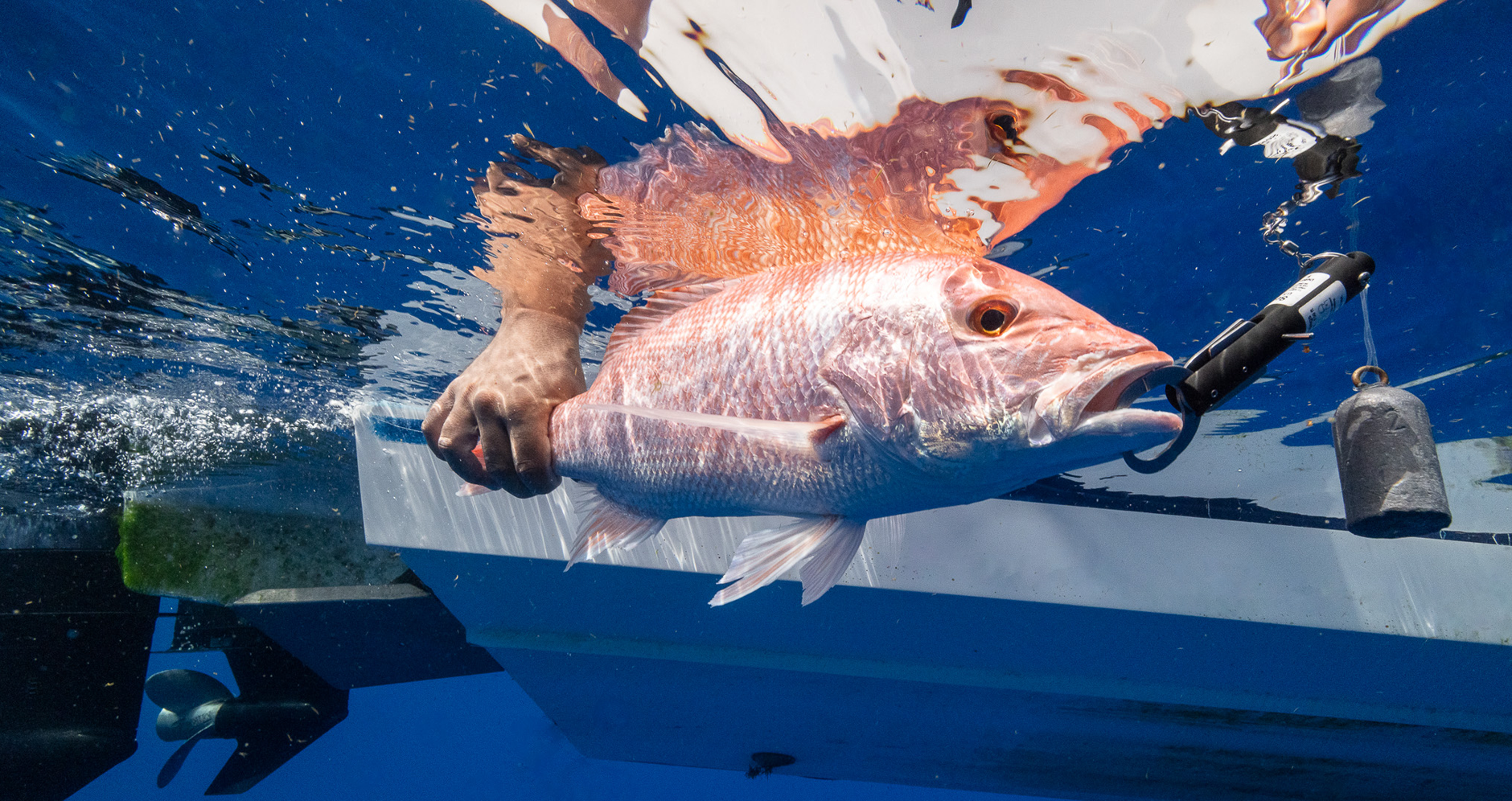
Deep-water fishing presents another challenge for anglers who plan to release their catch. A fish brought rapidly to the surface from depth can experience barotrauma, a condition caused by gases in its body expanding as surrounding water pressure decreases.
The effects can be obvious. A fish may have bulging eyes, a swollen or bloated body, a protruding stomach or difficulty swimming back down. A fish experiencing these symptoms may need help returning to the depth where it was caught.
A descending device is designed to return a fish to depth, where increased water pressure can help reverse the effects of barotrauma. The fish is secured to the device and lowered to an appropriate depth before being released.
FWC identifies descending devices as the preferred method for treating barotrauma and notes that research has found them more effective than venting tools at reducing mortality. Florida also requires a descending device or venting tool to be rigged and ready when fishing for reef fish from a vessel in state waters. Requirements can vary by fishery and location, so anglers should check current regulations before heading offshore.
The important part is having the equipment ready before you need it. A descending device tucked away in a storage compartment won't help much when a fish arrives at the surface showing signs of barotrauma. Keep it rigged and accessible so the release can happen quickly.
Different types of descending devices are available, including devices that use a weighted clamp, inverted hook or other mechanism to return the fish to depth. The right choice depends on the species you target, the depths you fish and the setup that works best from your boat.
For a closer look at the tools available and how they can help bottom fish survive release, see Ingman's articles on deep-sea fishing conservation tools and descending devices for bottom fish.
The larger lesson is simple: if you're fishing deep enough for barotrauma to occur, be prepared to help the fish back down.
A piece of fishing line may look insignificant when it's sitting on the deck. In the water, it can become something very different. Lost or discarded fishing line and other marine debris can entangle fish, sea turtles, birds and marine mammals, while abandoned fishing gear can continue catching animals long after it has been lost.
That makes keeping fishing line, tackle packaging and other trash aboard the boat part of responsible fishing—not simply good housekeeping.
Florida's Monofilament Recovery and Recycling Program makes it easier for anglers to keep used fishing line out of the environment. The program has more than 1,600 recycling bins located at boat ramps, marinas, fishing piers, tackle shops and other locations throughout the state.
If you don't have access to a recycling bin, don't leave loose line in a trash can where it can become an entanglement hazard. FWC recommends cutting used monofilament into pieces approximately 6 to 12 inches long and placing it in a lidded trash receptacle.
The same principle applies to everything else that comes aboard. Secure beverage containers, food packaging, plastic bags and other lightweight items before they have a chance to blow overboard. Pick up small pieces of tackle packaging and dispose of them properly rather than allowing them to become tomorrow's marine debris.
If you spot a piece of floating debris that you can safely retrieve, bringing it aboard and disposing of it properly is another small way to leave the water better than you found it.
For more ideas on reducing waste while boating, see Ingman's guides to reducing plastic in our oceans and monofilament recycling.
What comes aboard with you should leave with you whenever possible.

Fishing doesn't happen in isolation. The same waterways that hold your target species are also home to manatees, sea turtles, dolphins, shorebirds and other wildlife. Responsible fishing means paying attention to what's around the boat and giving those animals room to move, feed and surface naturally.
That starts with simply watching the water. Manatees can be difficult to see, particularly when they're just below the surface, and FWC recommends staying alert, following posted manatee protection zones, avoiding shallow areas and seagrass beds when possible, and keeping at least 50 feet away from a manatee when operating a powerboat. Polarized sunglasses can also reduce surface glare and make wildlife easier to spot.
Wildlife can also interact directly with fishing gear. Sea turtles and marine mammals can become hooked or entangled in fishing line, and NOAA Fisheries recommends never abandoning gear, keeping an eye on active tackle and changing locations if protected wildlife begins showing interest in bait or catch.
That doesn't mean you need to pack up every time a dolphin surfaces nearby. It means paying attention to the interaction and knowing when your fishing activity could create a problem. If a sea turtle moves into the area you're casting, for example, give it space rather than casting toward it. If marine mammals begin feeding around your boat, consider moving to another location.
The same principle applies when you're underway. Slow down where regulations require it, stay alert in areas known to hold wildlife and give animals room to pass rather than trying to get closer for a better look.
The best wildlife encounter is one where the animal gets to keep doing exactly what it was doing before you arrived.
Responsible fishing isn't about taking the fun out of fishing. It's about making sure the choices we make on the water allow us to keep enjoying the sport for years to come.
Knowing the regulations, using the right release tools, handling fish carefully, preparing for barotrauma, keeping fishing line out of the water and giving wildlife room to move are all practical ways to do that. None require you to fish less; they simply make you a more prepared angler.
That preparation can also make for a better day on the water. Having a de-hooking tool within reach means less time spent fumbling with a fish at the side of the boat. Keeping a descending device rigged means you're ready when a deep-water release requires one. Knowing the regulations before you leave means fewer surprises once you're on the fishing grounds.
There is something satisfying about knowing that the fish you release has a better chance of swimming away, the line you replaced won't become marine debris and the wildlife around your boat can continue on undisturbed.
Responsible fishing isn't about enjoying the water less. It's about leaving more of it to enjoy tomorrow.
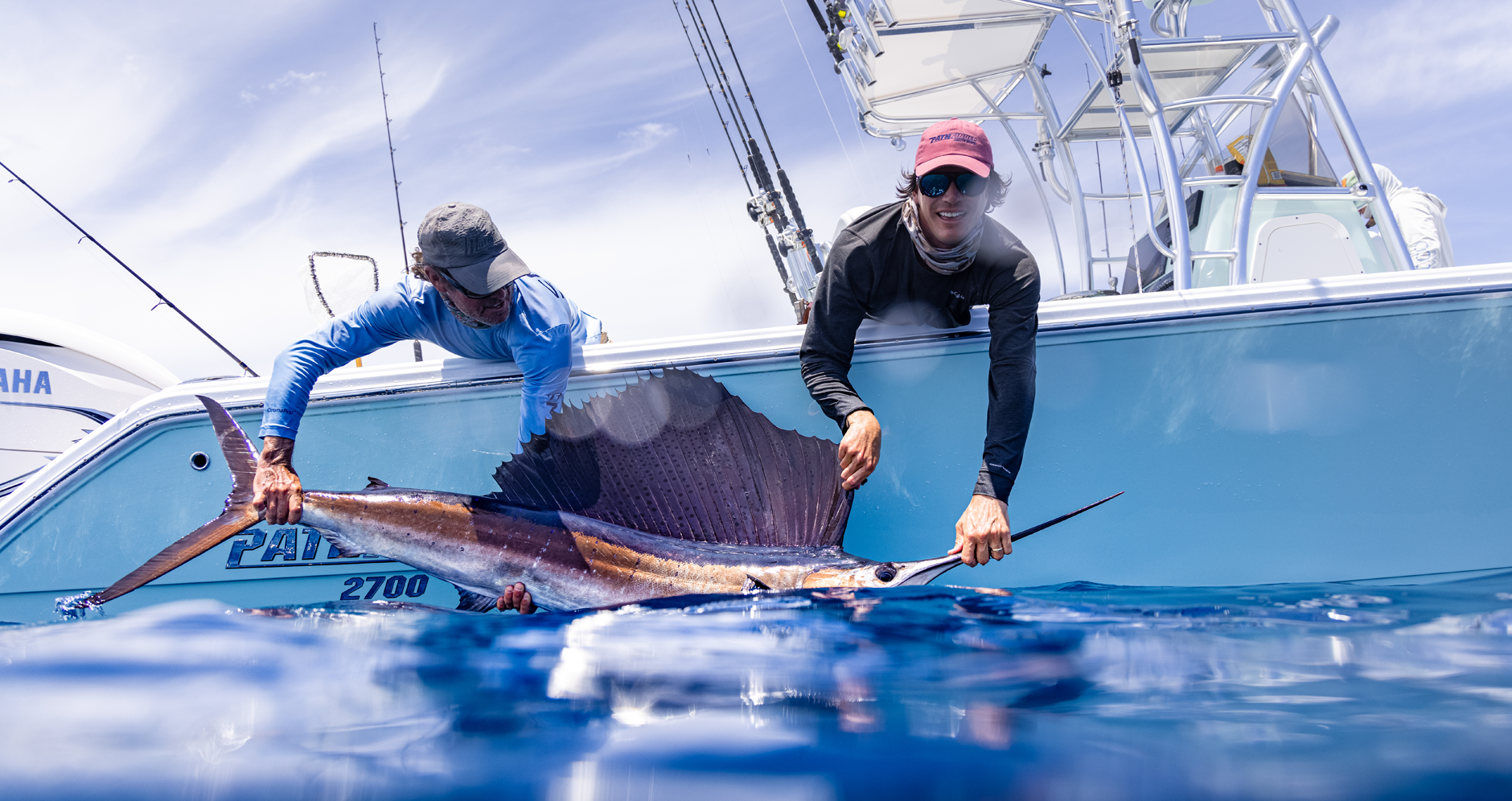
Responsible fishing becomes much easier when the right habits become part of your normal routine. Before you leave the dock, run through this quick checklist:
You don't have to do something extraordinary to fish responsibly. The small decisions you make before, during and after a fishing trip are what add up to meaningful stewardship of Florida's waters.
Florida gives anglers an incredible place to fish. From shallow coastal waters to offshore reefs, every trip is an opportunity to experience the wildlife, waterways and fisheries that make boating here so special.
Protecting that experience doesn't require perfection. It starts with knowing the rules, handling fish carefully, preparing for deep-water releases, keeping fishing line and trash out of the water and giving wildlife the space it needs. For anglers who want to learn more about fisheries conservation and habitat restoration, organizations such as CCA Florida provide additional ways to get involved.
Those choices may seem small when you're standing on the deck of your boat, but multiplied across thousands of anglers and countless days on the water, they become part of something much bigger: a culture of stewardship that helps protect Florida's fisheries for the people who fish them today—and the people who will fish them tomorrow.
So check the regulations. Pack the release tools. Secure the trash. Watch the water; and when the day is done, take a moment to look back at your wake and know you did your part.
Fish hard. Fish responsibly. Leave the water better than you found it.
